
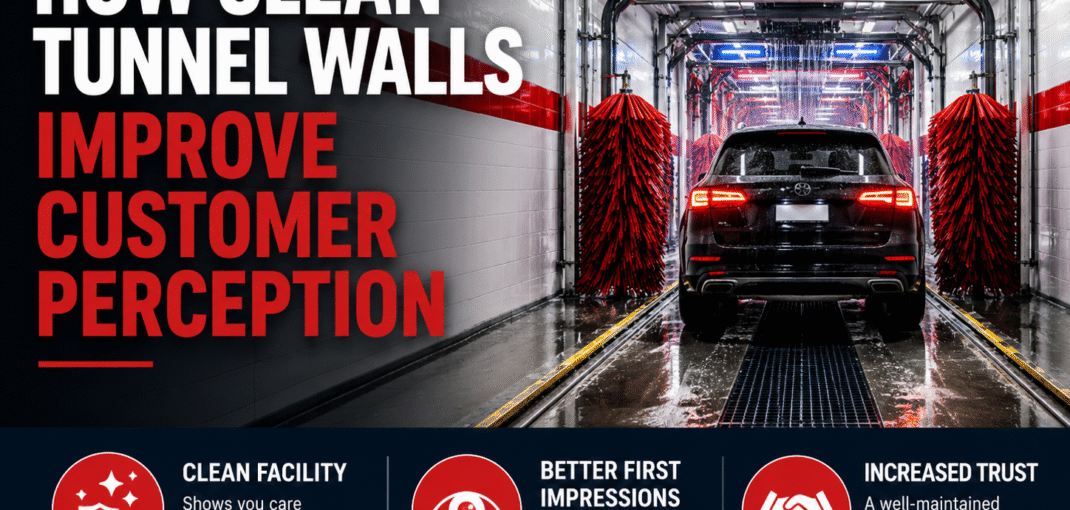
Many customers form immediate judgments about safety and maintenance based on the cleanliness of tunnel walls. You notice subtle details, even unconsciously, and grime or graffiti signals neglect. Clean surfaces, by contrast, convey order and care, shaping your perception of the entire transit system. A well-maintained tunnel reassures you, improving confidence and overall experience.
Key Takeaways:
- Clean tunnel walls create a safer, more welcoming environment, leading passengers to perceive the transit system as well-maintained and reliable.
- Visible cleanliness reduces anxiety and discomfort often associated with underground spaces, improving overall rider satisfaction.
- Regular maintenance and clean infrastructure signal respect for passengers, encouraging greater public trust and use of transit services.
The Power of Context in Transit
Every time you step into a transit tunnel, your surroundings shape how you feel about the entire system. Clean walls signal care and attention, influencing your sense of safety and reliability. You may not notice the cleanliness directly, but its absence would stand out immediately. The environment sets expectations before a single train arrives.
Subconscious cues in the dark
Light reflects off clean tunnel surfaces, subtly brightening your experience even underground. You absorb these visual details without realizing it-smooth tiles, absence of grime, consistent color. A well-maintained space feels more secure, even in low light. Your brain registers order, making delays or crowding feel less stressful.
The broken windows theory of infrastructure
One cracked tile or patch of graffiti can suggest neglect, no matter how minor. You begin to assume no one is watching or caring. Small signs of decay invite more damage, shaping your perception of the entire network. Clean walls prevent that downward spiral before it starts.
When minor damage goes unrepaired, it signals indifference. You’re more likely to litter or loiter in a space that already seems abandoned. Transit systems that prioritize cleanliness disrupt this pattern early. A single act of maintenance-washing a wall, repairing a surface-tells you the system is monitored and valued. That message spreads faster than any ad campaign.
The Logic of Visual Safety
People instinctively equate clean environments with safe ones. When tunnel walls are free of grime, graffiti, and debris, your mind registers the space as well-managed and secure. This perception isn’t just psychological-it shapes behavior. You’re more likely to feel at ease, move confidently, and trust the infrastructure around you when visual cues signal order and maintenance.
Brightness as a proxy for care
Light reflects off clean surfaces more effectively, making tunnels feel more open and monitored. When you see bright, well-lit walls, you subconsciously interpret it as evidence of ongoing attention. A clean wall isn’t just about appearance-it signals that someone is watching, maintaining, and responsible for your experience underground.
Neutralizing the claustrophobic response
Smooth, clean walls reduce visual noise that can heighten discomfort in confined spaces. You’re less likely to feel closed in when surfaces appear uniform and uncluttered. Removing stains, cracks, and markings minimizes sensory triggers that contribute to anxiety, helping you stay calm and focused as you move through the tunnel.
Enclosed environments naturally prompt a physiological reaction-your body senses limited escape routes and tenses up. When tunnel walls are cleaned regularly, the reduction in texture variation and discoloration lessens the feeling of compression. You don’t just imagine the space is larger; your nervous system responds as if it is. This subtle environmental cue makes a measurable difference in how you experience confinement, turning a potentially stressful passage into a neutral or even calming transition.
The Halo Effect of Pristine Tiles
Clean tunnel walls create an immediate impression that extends far beyond aesthetics. When passengers see spotless tiles, they unconsciously associate that care with the entire service. A well-maintained environment signals attention to detail, shaping perceptions of safety, efficiency, and professionalism before a single operational metric is considered.
Competence beyond the visible service
Spotless surfaces suggest a culture of discipline that likely extends to unseen operations. You assume the team managing what you can see is also diligent about what you can’t-like structural inspections or emergency preparedness. This quiet confidence grows from consistent visual cues that reinforce reliability.
Building trust through surface hygiene
Seeing clean walls makes you feel safer and more respected as a passenger. Hygiene isn’t just about health-it’s a signal of respect and operational pride. When surfaces are free of grime and graffiti, you’re more likely to trust that standards are being upheld across the system.
Surface hygiene acts as a silent ambassador for your experience. Every擦拭 tile tells you someone is paying attention, enforcing protocols, and taking ownership. This consistency reassures you that even when issues are out of sight, they’re not out of mind. Clean walls don’t just reflect maintenance-they reflect values.
The Economics of the First Impression
Your customer’s judgment forms in seconds, shaped by what they see the moment they enter the tunnel. A clean wall signals care, order, and reliability-factors that silently validate the cost of passage. You’re not just maintaining infrastructure; you’re shaping perception from the first glance.
Justifying the price of the passage
You charge for more than transit-you charge for experience. When walls are free of grime and graffiti, riders perceive value in every dollar spent. A well-kept environment reassures them the fee isn’t arbitrary, but tied to a standard they can see and feel.
Long term revenue and aesthetic standards
You build trust over time by keeping surfaces clean and consistent. Riders are more likely to return when the environment feels safe and well-managed. Aesthetic upkeep isn’t cosmetic-it’s a revenue strategy rooted in repeated positive experiences.
Consistent cleanliness reinforces a culture of respect between operator and rider. When people see effort put into the details, they respond with loyalty and compliance, reducing vandalism and increasing on-time payments. You’re not just preserving walls-you’re cultivating a cycle of pride and patronage that compounds over years, directly impacting your bottom line.
Signaling Operational Mastery
Spotless tunnel walls reflect your commitment to precision and control. When passengers see well-maintained infrastructure, they assume the entire system operates with the same level of care. Cleanliness isn’t just aesthetic-it’s proof of disciplined routines, consistent oversight, and a culture that values performance in every detail.
Cleanliness as a metric of efficiency
Order in the environment signals order in operations. You demonstrate reliability when surfaces stay free of grime and debris, suggesting maintenance schedules are followed without delay. A clean tunnel doesn’t happen by accident-it results from systems working as intended, reinforcing passenger trust in your service’s dependability.
Turning a utility into an experience
Travelers don’t expect beauty underground, but when they find it, their perception shifts. A clean, well-lit tunnel with cared-for walls transforms transit from mere movement to a moment of comfort. You turn routine commutes into subtle affirmations of quality.
Passengers may not consciously note every clean surface, but they feel the difference. When walls are free of stains and streaks, the space feels safer, more intentional. You’re not just moving people from point A to B-you’re shaping how they experience your service, one unnoticed yet meaningful detail at a time.
To wrap up
Presently, clean tunnel walls shape how customers view your service. You signal care, safety, and reliability when surfaces are free of grime and damage. A well-maintained environment doesn’t just reflect hygiene-it influences trust. Your customers notice the effort, and that impression sticks long after they’ve passed through.

FAQ
Q: How do clean tunnel walls influence how customers view a transportation service?
A: Clean tunnel walls signal that a transit system is well-maintained and safe. When passengers see clear, graffiti-free surfaces and consistent lighting, they associate the environment with reliability and care. A tidy infrastructure suggests that operators pay attention to detail, which builds trust. People are more likely to feel comfortable and secure when using a system that appears to be regularly cleaned and monitored, directly shaping their overall impression of the service.
Q: Can dirty or neglected tunnel walls negatively affect customer satisfaction?
A: Yes. Stained, cracked, or graffiti-covered walls create a sense of neglect. Customers may assume that if visible areas are poorly maintained, less visible aspects like safety systems or emergency responses might also be overlooked. This perception can lead to dissatisfaction, reduced ridership, and complaints. In some cases, people may choose alternative routes or modes of transport simply to avoid environments that feel unsafe or unclean.
Q: Do clean tunnel walls have any impact beyond aesthetics?
A: Clean walls contribute to better lighting efficiency and air quality. Dirt and grime absorb light, making tunnels appear darker and more oppressive. Regular cleaning reflects more light, improving visibility and reducing the need for excessive illumination. Dust buildup can also harbor allergens or pollutants, so maintaining clean surfaces supports a healthier environment. These factors combine to make the space feel more open, safe, and pleasant, which directly influences how customers experience the journey.