
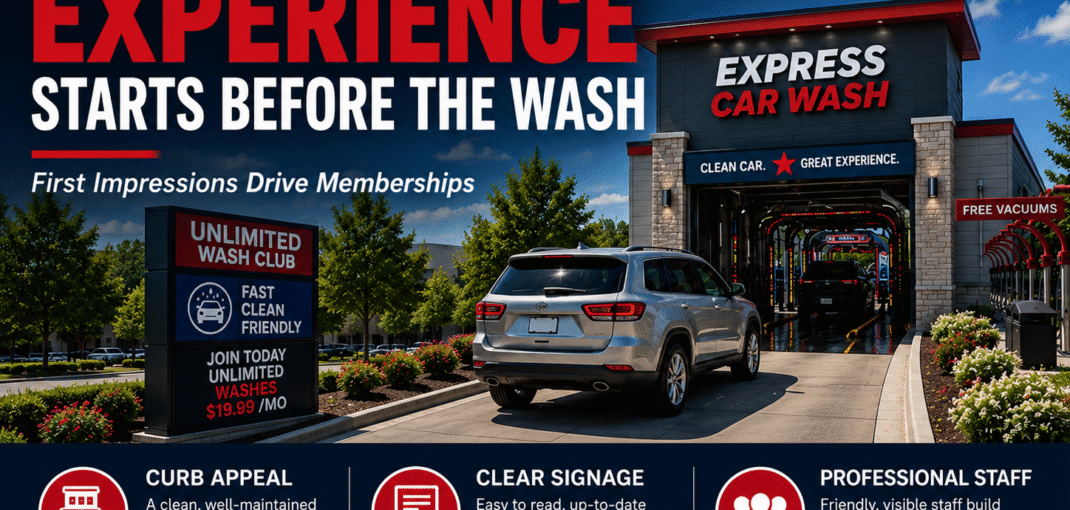
Customer perceptions of your car wash begin the moment they see your location, not when the soap sprays. Your signage, curb appeal, and staff demeanor shape first impressions. You control how customers feel before they even roll down their window. Every visual and human detail communicates quality, cleanliness, and care.
Key Takeaways:
- First impressions begin the moment a customer notices your location, not when they enter the bay-clean signage, curb appeal, and clear messaging shape expectations before anyone steps inside.
- How easily customers can find information-like pricing, hours, or service options-online or from a distance affects their decision to stop in; confusion at this stage can drive them to a competitor.
- Staff attitude and visibility from the outside influence trust; employees who are seen actively maintaining the area or greeting passersby create a sense of care and professionalism before any transaction occurs.
G&G Immersive Arch Lighting Kit for Car Washes (Shipping not included)
The Thin-Slicing of Service
You form impressions of a car wash within seconds of arrival, often before speaking to anyone. Your brain processes small cues instantly-how the lot is organized, how staff move, how clean the entrance looks. These rapid assessments shape your confidence in the entire service experience.
Rapid Judgments at the Curb
You decide whether a car wash is trustworthy in the first 10 seconds. A cluttered driveway or indifferent greeting signals disorganization. A smile, clear signage, and a spotless bay tell you this team pays attention. These micro-moments build or break trust before the first soap pass.
Visual Cues and Psychological Safety
You feel safer when the environment looks predictable and cared for. Uniformed staff, visible pricing, and clean equipment signal professionalism. These details don’t just look good-they tell you the business respects your time and well-being.
When you pull into a well-lit lot with marked lanes and staff in clean uniforms, your body relaxes. You’re not just noticing cleanliness-you’re subconsciously checking for order, consistency, and respect. A tidy space signals that procedures are followed, reducing your anxiety about wait times, pricing surprises, or vehicle damage. This sense of psychological safety starts long before the wash and directly influences your willingness to return.
Digital Gateways and Virtual Handshakes
Your customer’s journey begins long before they reach your bay. The first interaction often happens online-through a website click, a social media scroll, or a quick search. These digital touchpoints act as silent ambassadors, shaping perceptions before a single vehicle is cleaned. How you present yourself here sets the tone for everything that follows.
Navigation as a Narrative Tool
Clarity in your website’s structure tells a story of reliability. When visitors find pricing, services, and location details within seconds, you signal respect for their time. Every intuitive menu and visible call-to-action builds confidence, guiding them forward without friction or guesswork.
Online Presence and Social Proof
Reviews, photos, and real customer voices shape how newcomers see your brand. A well-rated profile or a tagged Instagram post does more than inform-it reassures. People trust peer experiences more than polished claims, so what others say becomes part of your promise.
What customers post about their visit often carries more weight than anything you publish. A five-star review detailing prompt service or a spotless finish validates your standards. Showcasing authentic feedback-on Google, Facebook, or your own site-turns satisfaction into social currency that draws new drivers your way.
The Architecture of Anticipation
Every design choice in your car wash facility shapes what customers expect before they even step inside. The flow of space, lighting, and visual cues set the tone for the experience ahead. You’re not just guiding vehicles-you’re guiding perceptions from the moment they turn into your lot.
Signage and the Path of Least Resistance
Clear, well-placed signs direct your customers without forcing them to think. You eliminate hesitation by showing exactly where to go, what to do, and what comes next. A smooth journey begins with intuitive guidance that feels natural, not forced.
Reducing Friction at the Entrance
Your entrance is the first physical interaction, and it must be effortless. Customers should glide in without confusion or delay. You build confidence instantly by removing obstacles and making entry predictable and stress-free.
When someone approaches your entrance, every second counts. A cramped driveway, unclear lane markings, or an unattended entry point creates doubt. You want them to feel welcomed, not interrogated. Install wide lanes, use floor indicators for speed, and position staff where they’re seen but not intrusive. This isn’t about convenience-it’s about control. You’re signaling that everything here works the way it should.
The Human Element in the Queue
How you engage customers while they wait shapes their entire perception of your service. A simple smile or acknowledging nod can turn idle time into a moment of connection. People notice when they’re seen, not just processed. Your team’s presence in the queue sets the tone before a single car enters the tunnel.
The Greeting as a De-escalation Tactic
You disarm frustration the moment you greet someone by name or with genuine eye contact. Customers arrive with stress from traffic, schedules, or past experiences. Your calm, personable welcome absorbs that tension. A well-timed “good to see you” shifts their focus from waiting to being served.
Establishing Rapport Before the Tunnel
Your team’s ability to make small talk-commenting on a bumper sticker or asking about someone’s day-builds instant familiarity. This isn’t idle chatter; it’s trust-building in real time. When the customer feels recognized, compliance and satisfaction rise before the wash even begins.
Building rapport isn’t performative-it’s practical. When your staff remembers a regular’s preferred wash package or asks about their dog seen through the window last time, it signals attentiveness. These micro-interactions prove you’re not just running cars through a tunnel, but serving people who return because they feel known. That sense of belonging starts with a two-second exchange at the curb.
Marketing the Invisible Clean
Customers can’t see cleanliness until they experience it, so your messaging must make the unseen feel real. You shape perception long before they walk through the door by describing standards, processes, and care in ways that resonate emotionally and logically.
Building Trust Through Brand Voice
Your tone tells a story before any service begins. When you speak with consistency, clarity, and sincerity, you signal reliability. People trust brands that sound human, confident, and transparent about what they do and why it matters.
Managing Expectations via Communication
Clear messaging prevents disappointment. You set the stage for satisfaction by outlining what customers should expect-from pickup times to fabric care notes. Transparency builds confidence and reduces uncertainty.
What you say-and how you say it-directly impacts how your service is perceived. Sharing specific details like wash cycle durations, detergent choices, or staff training reassures customers that their garments are in expert hands. Silence leaves room for doubt; information replaces it with trust.
The Mechanics of Membership
Membership transforms occasional visitors into consistent patrons. You benefit from predictable pricing and reserved access while operators gain valuable data on usage patterns. This mutual exchange creates a foundation for long-term engagement that extends well beyond a single car wash visit.
Frictionless Onboarding Strategies
Signing up should feel effortless. You can start with a simple mobile scan or online form that captures only vital details. Instant confirmation and immediate access remove barriers, letting you begin enjoying benefits the same day without delays or paperwork.
Loyalty Beyond the Physical Rinse
Your loyalty grows through consistent value, not just clean windshields. Rewards accumulate with every visit, unlocking perks like priority lanes or free upgrades. These small advantages make you feel recognized, turning routine stops into personalized experiences that keep you coming back.
What keeps you engaged isn’t just the promise of a spotless car-it’s the recognition you receive over time. Exclusive offers, birthday credits, and usage-based milestones create emotional connections. The system remembers your preferences, so each interaction feels tailored, reinforcing that you’re more than just another vehicle in line.
To wrap up
Upon reflecting, you see that the customer experience begins the moment someone considers washing their car, not when the water starts flowing. Your signage, staff demeanor, and facility cleanliness shape first impressions. These early signals determine trust and set expectations. You control this narrative from the very first glance, long before the first soap suds appear.
FAQ
Q: Why does the customer experience begin before a car even enters the wash bay?
A: The customer experience starts the moment someone sees your business from the road or searches for it online. Clean signage, a well-maintained exterior, and clear pricing displayed upfront set expectations. How easy it is to find information-like hours, services, and location-shapes first impressions. A driver deciding whether to pull in is already judging the quality of service based on these early signals, long before they start the wash process.
Q: How does staff behavior before the wash impact customer satisfaction?
A: Team members greeting customers, answering questions, or guiding them to the correct lane create a sense of care and professionalism. Friendly, knowledgeable interactions at the entrance or payment kiosk build trust. Customers notice if employees are attentive or distracted. A simple smile or clear instruction can ease uncertainty, especially for first-time visitors, making them feel welcomed and confident in their choice.
Q: Can the design of the approach and queue area affect how people feel about the wash?
A: Yes. A well-organized entry with clear lane markings, readable signage, and a smooth traffic flow reduces stress and confusion. Potholes, faded lines, or unclear directions make customers doubt the attention to detail inside the wash. Music playing from an outdoor speaker, shade structures, or even the smell of fresh soap in the air can create a positive atmosphere while they wait. These elements shape comfort and perception before the car moves an inch.